







Search Results for: 90 Candle Light
Exploring Ethiopia Sidamo: The Flavor Code and Full Brewing Analysis of 90+ Candle Light Coffee Beans
Ethiopia, as the genetic treasure trove of Arabica coffee, has given rise to countless stunning flavors. And the American brand Ninety Plus Coffee (90+), deeply captivated by this land, created a unique coffee called "Candlelight Mango." Front Street Coffee will take you on an in-depth exploration of this 90+ Candlelight Mango from the Sidamo region—what exactly is its appeal? From the brand story to the terroir of the region, from the processing method to the roasting curve, and then to specific brewing parameters, this article will provide a complete analysis of this specialty coffee known for its tropical fruit profile, so that you not only get to know it, but can also personally brew a satisfying cup of Candlelight Mango. [more…]
Ninety Plus Candle Glow Coffee Flavor Analysis: Roasting Key Points and Brewing Grind Adjustments for Natural Sidamo
Candlelight Coffee is a naturally processed Ethiopian bean from the LevelUp series by Ninety Plus, named for its flavor profile. It comes from the Sidama region, and its name means "the best way" in the local dialect. This article begins with the background of the Ninety Plus brand, then outlines Candlelight's origin characteristics, flavor expression, and roasting approach. It also documents a grind size comparison experiment conducted by Front Street Coffee using the same batch of beans, examining how different grind coarseness affects TDS concentration and the drinking experience. The article also organizes the N2, H2, and W2 labeling logic that Ninety Plus uses to classify flavor directions, helping coffee enthusiasts understand what makes this bean unique and how to adjust their brewing. [more…]

A Comprehensive Analysis of 90+ Candle Light Coffee: Name Origin, Flavor Characteristics, and Brewing Parameters
The 90+ Candied Mango is a legendary coffee bean in the specialty coffee circle, from the American company Ninety Plus Coffee, produced in the Sidama region of Ethiopia. Front Street Coffee has carried this bean for many years and knows well its charming flavors of nectarine, mango, and cream. This article will start with the background of the 90+ brand, and go through the meaning of the name Candied Mango, the terroir of the producing region, the raised-bed sun-drying process, green bean characteristics, roasting suggestions, cupping report, and Front Street's brewing insights, presenting a complete profile of Candied Mango for coffee lovers. [more…]
Costa Rica Little Candle Estate Geisha Coffee Beans: The Legend of a Micro-Mill Cultivated by the Sanchez Family for Five Generations
Geisha coffee has repeatedly won championships in competitions, and the superiority of its variety is beyond doubt. Front Street Panama Geisha is certainly a top choice, but Costa Rica's Little Candle Estate can also bring surprises. This Front Street Costa Rica Geisha coffee offers outstanding value for money, comes from a CoE award-winning estate, and is jointly run by nine siblings of the Sanchez family. The estate is located in the Tarrazu region, at an altitude of 1,400 to 1,650 meters, and is known for traditional fermentation and an environmentally friendly water treatment system, producing multiple batches of Geisha each year. In terms of flavor, it presents aromas of almond, plum, citrus, sweet flowers, and berries, with rich acidity and a long finish. This article will guide you through the estate's history, processing methods, and share Front Street's brewing plan and flavor experience. [more…]
How does grind size affect flavor in pour-over coffee? A three-stage grind analysis with Sidamo Candlestick
Grind size is one of the key variables affecting extraction results in pour-over coffee, directly related to the dissolution efficiency of flavor compounds and the balance of the final cup. This article takes a naturally processed Ethiopian Sidamo Candlelight as an example, using three different grind sizes—BG-5I, BG-5T, and BG-7D—to conduct brewing comparisons under identical conditions of coffee dose, water temperature, and coffee-to-water ratio, recording the flavor differences at each grind size through actual tasting notes. The article not only presents complete brewing parameters and flavor descriptions but also shares pour-over knowledge about the principles of staged extraction and water temperature adaptation for different roast levels, making it a useful reference for coffee enthusiasts looking to refine their pour-over technique. [more…]
Costa Rica Little Candle Estate Geisha Coffee: A Full Analysis from Estate Story to Brewing and Flavor
Geisha coffee, with its winning streak in competitions, has long been regarded as the cream of the crop in specialty coffee. Front Street Panama Geisha is certainly the current benchmark, but other countries also have noteworthy options, and Front Street Costa Rica Geisha is a standout representative with excellent value for money. This article focuses on Costa Rica's La Candelilla Estate, introducing the family background of this CoE award-winning estate, the development path of its micro-processing mill, its fermentation and environmentally friendly processing methods, as well as the specific brewing parameters and flavor performance of Front Street Costa Rica Geisha. It also includes a flavor description of Front Street Strawberry Candy Blend, helping coffee enthusiasts gain a comprehensive understanding of this bean's origins and its presentation in the cup. [more…]
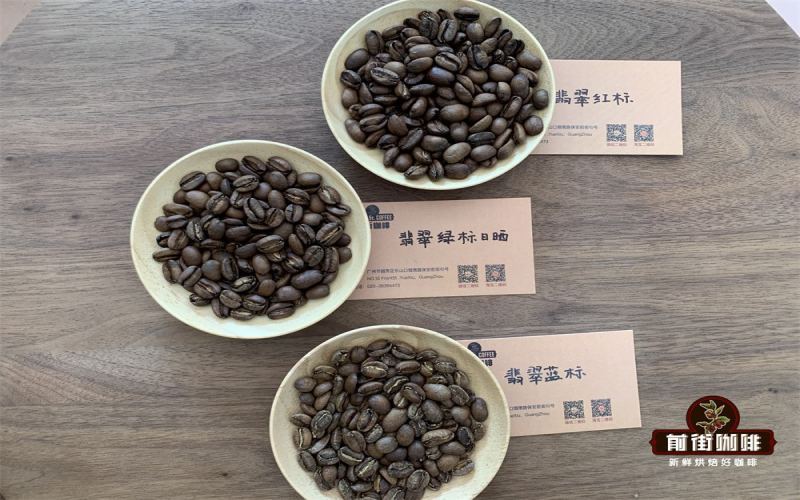
Why Is Panama Geisha Coffee Unrivaled? One Article Explains the Red, Green, and Blue Label Grades and Origin Differences
Since its breakthrough in 2004, Panama Geisha has firmly held the top spot in the specialty coffee world, becoming a name that countless enthusiasts both long for and revere. It boasts rich floral aromas and bright fruity acidity, yet its price is staggering. What exactly is Geisha's charm? Why do Geishas from Ethiopia, Costa Rica, and Panama taste so different? And how do you distinguish Hacienda La Esmeralda's Red Label, Green Label, and Blue Label? In this article, Front Street Coffee will take you through Geisha's past and present, explain the characteristics and grading standards of each origin in detail, and provide pour-over parameter suggestions to help you fully understand this legendary cup of coffee. [more…]
A Complete Analysis of Geisha Coffee Bean Producing Regions: From Ethiopian Origins to the Flavor Differences of Panama Hacienda La Esmeralda's Red, Green, and Blue Label Grades
Geisha coffee journeyed from the primitive forests of Ethiopia to the world stage, and it was Panama's Hacienda La Esmeralda that made it famous overnight. Today, Ethiopia, Costa Rica, and Panama all cultivate Geisha, but their flavor expressions each have their own strengths. How exactly do Hacienda La Esmeralda's Red Label, Green Label, and Blue Label differ? This article will systematically organize the core knowledge of Geisha coffee, from origin distribution, variety genetics, and altitude grading to flavor characteristics, and include Front Street Coffee's brewing suggestions, taking you through a comprehensive understanding of this highly sought-after specialty coffee. [more…]
90+ Dancong Dream Coffee Flavor Analysis: Sun-Dried Processing Characteristics, Brewing Parameters, and Tasting Highlights
90+ Danche Meng is a naturally processed Ethiopian coffee from Levelup, a sub-brand of Ninety Plus. Through its unique flavor process and meticulous post-processing, it presents a complex layering of cocoa, black raspberry, blueberry, and floral notes. This article systematically examines this coffee's characteristics and brewing methods, from the flavor classification system, processing techniques, and origin background to specific pour-over parameters, helping coffee enthusiasts gain a more complete understanding of the 90+ brand philosophy and what makes Danche Meng unique. [more…]
2022 China Coffee Bean Price Guide and Buying Guide: What Beans to Use for Opening a Coffee Shop and How to Calculate the Cost per Jin
For friends who want to open a coffee shop or are currently running a café, one of the most pressing questions is: how much does coffee beans cost per catty, and where can you buy them with the best value for money? This article compiles the latest 2022 quotes and purchasing insights from China's coffee bean market, covering estate-level coffee beans from major producing regions such as Ethiopia, Indonesia, Jamaica, Panama, Colombia, and Yunnan, the price ranges from half a pound to one pound, and how different roast levels and processing methods affect flavor and cost. It also specifically retains product information and recommendations from Front Street Coffee, helping you make clearer judgments when selecting beans for your shop. [more…]
Ethiopia Sidamo 90+ Candlelight Coffee Bean Variety Flavor Characteristics and Full Analysis of Natural Processing Method
The Sidama region of Ethiopia has always been renowned for its outstanding natural-process coffees, and the 90+ series is among its most highly regarded top-tier product lines. The 90+ Candlelight Mango carried by Front Street Coffee comes from this region, and through strict hand-sorting of cherries and meticulous natural-processing techniques, it presents a transparent, pure cup profile with alluring fruit and floral aromas. This article will walk you through the meaning of 90+, the origin of the name Candlelight Mango and the characteristics of its processing method, and provide a comprehensive comparison with the same region's Huakui coffee in terms of appearance, cupping, and pour-over flavor, helping you more clearly understand the differences and respective charms of these two Ethiopian natural-process beans. [more…]
A Complete Analysis of the 90+ Candied Orange Coffee Bean Name Origin, Sidamo Region Flavor Characteristics, and Pour-Over Parameters
90+ (Ninety Plus Coffee) is a well-known American specialty coffee supplier. Its Drima Zede Sidamo coffee beans, with their alluring notes of nectarine, mango, and cream, have become a hot product that many cafés compete to put on their shelves. Front Street Coffee has carried this bean for years and knows its characteristics inside and out. This article will walk you through the founding background and philosophy of the 90+ brand, the meaning of the name Drima Zede in the local dialect, the terroir conditions of the Sidamo region, the details of the raised-bed sun-drying process, and the roasting curves, cupping data, and V60 brewing recipes that Front Street baristas have summarized through hands-on practice. Whether you want to understand the origins of this bean in depth or hope to find a reliable set of brewing parameters, you'll find the answers in this article. [more…]
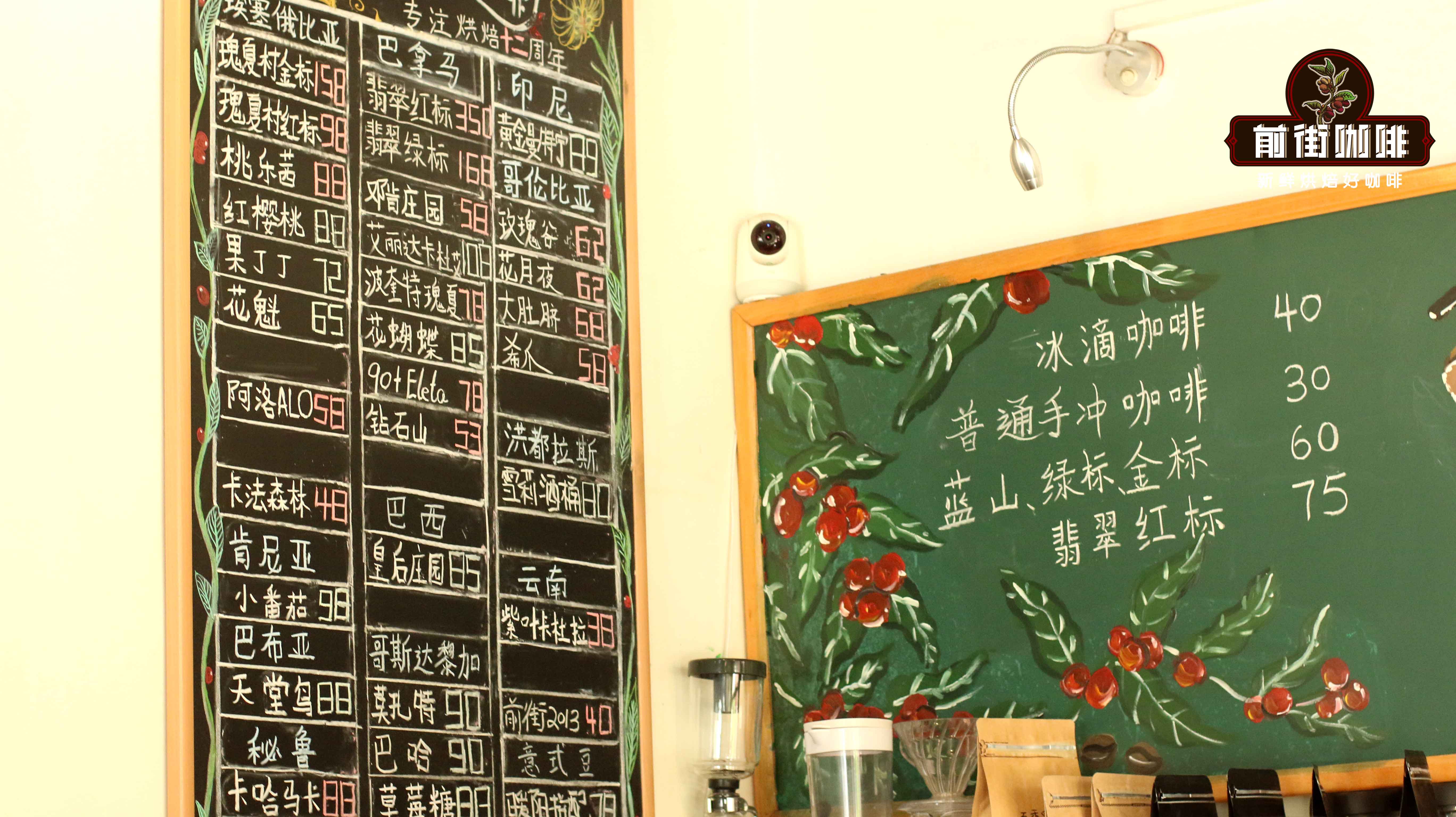
Front Street Coffee Single-Origin Beans Wholesale Buying Guide: A Complete Overview of Green and Roasted Bean Quotes and a Flavor Analysis of Global Producing Regions
To open a coffee shop or replenish your home supply of everyday beans, finding a stable and reliable wholesale channel is key. Guangzhou's long-established Front Street Coffee (FrontStreet Coffee) keeps over 50 single-origin beans in stock offline, spanning many well-known producing regions and estates across Africa, the Americas, and Asia, so you can find a suitable choice whether for pour-over, espresso, French press, moka pot, or cold brew. This article compiles Front Street Coffee's latest single-origin coffee bean list and green/roasted bean wholesale price report, covering popular beans such as Yirgacheffe, Sidamo, Mandheling, Blue Mountain, and Hacienda La Esmeralda, with grades, processing methods, roast levels, and flavor descriptions attached, making it convenient for roasters and cafes to purchase as needed. For commercial use in opening a shop, Front Street Classic Blend is recommended, a combination of three producing regions—Brazil, Indonesia, and Vietnam—with a medium-dark roast bringing a mellow mouthfeel and rich oils, equally suitable as everyday beans for home use. [more…]
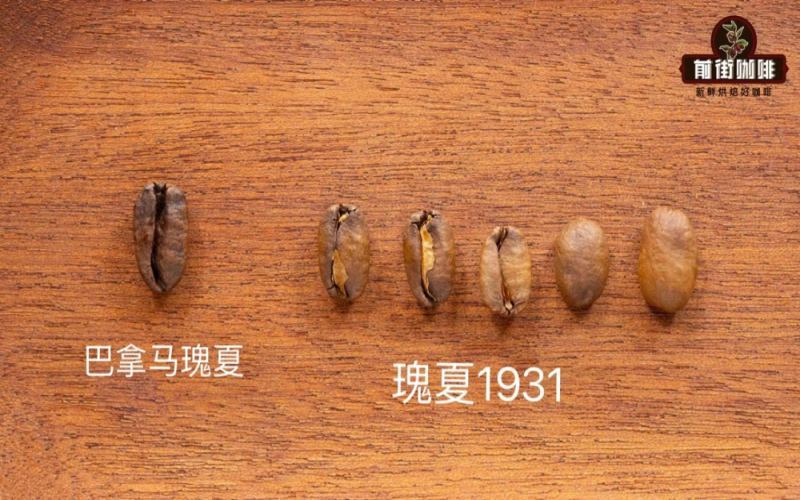
Analysis of Flavor Differences in Geisha Coffee Across Global Producing Regions: Ethiopia, Panama, and Costa Rica Compared
Geisha coffee is famous for its captivating floral aroma, but this signature flavor actually comes mainly from the Panama region. When Geisha was introduced to Ethiopia, Costa Rica, and other places, its flavor profile showed noticeable differences. This article starts with three Geisha coffees from Front Street Coffee—Panama, Costa Rica, and Ethiopia—and compares the variety background, estate information, and cupping flavors of each region one by one. Ethiopia, as the birthplace of Geisha, has a Geisha Village variety with very little genetic connection to Panama Geisha; Panama's Hacienda La Esmeralda, meanwhile, established the floral definition of Geisha, with its Red Label, Green Label, and Blue Label each having distinctive characteristics; Costa Rica's Little Candle Estate, thanks to its unique microclimate, also produces a clean and elegant Geisha flavor. Through this article, you will gain a comprehensive understanding of the characteristics and main flavor descriptions of Geisha coffee from different origins. [more…]

Can Espresso Blend Beans Be Used for Pour-Over? A Full Breakdown of the R&D Process for a Yunnan Typica Autumn Pour-Over Blend
Many people assume that blended coffee beans can only be used for espresso, but Front Street Coffee has proven through actual research and development that pour-over can also handle blended beans. This article provides a complete record of Front Street's process in developing an autumn pour-over blend: from determining Yunnan Typica as the base bean, to pairing it with Yirgacheffe Kochere and Gesha Village Red Label Natural Geisha, and then to the repeated adjustments of the raw blend roasting curve and cupping verification. You will see the blending approach, the logic behind selecting the base and companion beans, the trade-offs between raw blending and roasted blending, the details of the roasting parameters, and the final flavor expression of black tea, cocoa, caramel, and jackfruit. [more…]
A Complete Analysis of the Flavor and Mouthfeel of G1 Grade Coffee Beans from Ethiopian Regions Such as Yirgacheffe and Sidama
As the birthplace of coffee, Ethiopia boasts numerous coffee regions with distinctive characteristics. Among them, Yirgacheffe, Sidamo, and Harar are the most well-known, while the G1 grade represents the highest quality coffee beans in the country. This article will take you on an in-depth journey through the terroir and characteristics of Ethiopia's nine major coffee regions, from the rich fruity aromas of Yirgacheffe to the delicate floral notes of Sidamo, from the wild mocha of Harar to the balanced flavors of Jimma, and will provide a detailed analysis of the flavor profiles and tasting characteristics of G1 grade coffee beans from each region, offering coffee lovers a complete guide to Ethiopian coffee. [more…]
What Are the Differences Between Costa Rican Geisha and Panamanian Geisha? Mirazu Strawberry Candy Flavor and Front Street Brewing Recommendations
Geisha journeyed from the forests of Ethiopia to the world, and Panama's Hacienda La Esmeralda made it famous, while Costa Rica, as a major coffee hub in Central America, has also produced Geisha with a distinctive style of its own. This article traces Geisha's path of dissemination, compares the producing regions' terroir, variety composition and processing methods of Panamanian and Costa Rican Geisha, and focuses on the blended Geisha from Mirazu Estate that Front Street Coffee uses. The article also shares Front Street's roasting approach and three-pour brewing parameters, helping coffee lovers understand how to bring out sweet, rich flavors such as rose, strawberry and raisin. [more…]
Sweet as Honey Costa Rican Coffee: A Detailed Guide to Raisin Honey-Processed Geisha Blend Pour-Over Parameters
Costa Rican coffee has always won over countless enthusiasts with its honey-like sweetness. This article centers on the newly arrived Costa Rica Mirazu Estate Geisha blend from Front Street Coffee, starting with the terroir of the producing region, the story of the estate, and the variety composition, then explaining in detail the key points of the raisin honey processing technique, and including a medium-light roast profile, SCAA-standard cupping data, and a complete set of pour-over parameters. Whether you want to gain a deeper understanding of the charm of the Tarrazu producing region or are looking for a brewing reference you can follow directly, this article has the answers. [more…]
Costa Rican Honey-Processed Coffee Flavor Analysis: Tarrazú Region Characteristics and a Strawberry Candy Geisha Pour-Over Guide
Costa Rican coffee is renowned for its honey-like sweetness, especially the beans produced in the Tarrazú region, which, with the support of volcanic soil and microclimates, present a balanced, rich chocolatey and smooth taste. Front Street Coffee this time brings the Mirazu Estate Strawberry Candy Geisha blend, using the raisin honey processing method, combining four varieties—Geisha, ET47, SL28, and MAICO—offering both jasmine floral notes and the fermented sweetness of strawberry berries. This article will delve into the background of the Costa Rican region, the story of Mirazu Estate, the raisin honey processing technique, and share Front Street's roasting curve, cupping report, and pour-over suggestions, helping coffee enthusiasts brew a cup of sweet, excellent coffee at home. [more…]
Costa Rican Honey-Processed Coffee Flavor Analysis: A Brewing and Tasting Guide to the Mirazu Estate Geisha Blend
Costa Rican coffee has always been known for its balanced and smooth character, chocolatey notes, and honey-like sweetness. The Strawberry Candy Geisha blend from Mirazu Estate, newly launched by Front Street Coffee, uses the raisin honey processing method to cleverly combine the floral aroma of Geisha with the berry sweetness of ET47, SL28, and MAICO, presenting jasmine floral notes, strawberry, raisin, and a creamy mouthfeel. This article, from Front Street's origin perspective, will outline the main coffee-producing regions of Costa Rica and the terroir characteristics of Tarrazú, explain in detail Mirazu Estate's cultivation philosophy, the varietal composition of the Geisha blend, and the key points of the raisin honey processing method, and include Front Street roasters' medium-light roast profile, cupping report, and pour-over parameters, so you can fully understand and enjoy this Costa Rican honey-processed coffee with its standout sweetness. [more…]